What Happens When Everything Is Connected—but No One Is in Control?

connection

We’re living in a time where nearly everything is connected. Our phones talk to our homes, our cars sync with satellites, and algorithms quietly shape what we see, buy, and even think. On the surface, this web of connectivity promises efficiency, convenience, and smarter living. But beneath it lies a more complicated question: what happens when all these systems are linked together, yet no single entity is truly in control? The answer isn’t as sleek as the technology itself—it’s messy, unpredictable, and worth examining.

The Illusion of Seamless Control

At first glance, interconnected systems feel like they’re designed with intention and oversight. Smart devices respond instantly, apps anticipate needs, and networks operate with impressive speed. But this creates an illusion. In reality, these systems are often built by different organizations, operating under different rules, and optimized for different goals. There is no central brain coordinating everything—just layers of automation interacting in ways that can’t always be predicted.

When Automation Collides

Automation is powerful, but it becomes risky when multiple automated systems interact without coordination. One system might optimize for speed while another prioritizes safety, leading to conflicting outcomes. These collisions can result in errors that cascade quickly, especially when humans are no longer in the loop to intervene. What starts as a small glitch can escalate into a larger disruption simply because no one system has the authority—or awareness—to stop it.

The Problem of Diffused Responsibility

In a fully connected environment, responsibility becomes harder to pinpoint. If something goes wrong, who is accountable? The developer who wrote the code? The company that deployed it? The system that made the final decision? When control is distributed, so is blame. This lack of clear ownership can slow down responses to problems and make it difficult to prevent them from happening again.

Data Without Direction

Connection generates data—lots of it. Every interaction, every signal, every decision produces information. But data alone doesn’t guarantee better outcomes. Without a clear guiding framework, data can lead to conflicting interpretations and actions. Systems may act on incomplete or biased information, amplifying inefficiencies rather than solving them. In a world where everything is connected, more data doesn’t always mean more clarity.

The Fragility of Interdependence

Interconnected systems rely on each other, which creates efficiency but also fragility. When one component fails, it can ripple across the entire network. A minor outage in one area can trigger unexpected consequences elsewhere, much like a domino effect. The more tightly connected everything becomes, the more vulnerable the system is to disruptions—especially when no one is actively managing the whole picture.

Human Oversight in a Machine-Driven World

As systems grow more complex, human oversight tends to shrink. Decisions are increasingly delegated to algorithms that operate faster than we can think. While this improves efficiency, it also reduces our ability to intervene when something goes wrong. Reintroducing meaningful human oversight isn’t about slowing progress—it’s about ensuring that someone, somewhere, understands and can guide the system when it matters most.

A world where everything is connected offers incredible possibilities, but connection without control comes at a cost. The absence of clear oversight, responsibility, and coordination can turn efficiency into instability. As we continue to build and rely on interconnected systems, the challenge isn’t just making them smarter—it’s making them accountable. Because in the end, a network that runs itself isn’t necessarily a system that serves us well.

Choosing the Right Thread Gage: A Comprehensive Buying Guide

closeup

Are you in the market for a new thread gage but feeling overwhelmed by the options available? Choosing the right thread gage is crucial for ensuring precise measurements and optimal performance. In this comprehensive buying guide, we will walk you through key factors to consider when selecting the perfect thread gage for your specific needs. From understanding your requirements to evaluating accuracy, materials, and manufacturer reputation, we’ve got you covered. Let’s dive in and demystify the world of thread gages together.

Your Needs

needs

Before diving into the vast array of thread gages available, take a moment to assess your specific needs. Consider the types of threads you will be measuring, the required accuracy levels, and any unique specifications particular to your industry. Understanding these fundamental requirements is crucial in selecting a thread gage that will deliver precise results consistently. Whether you are working with internal or external threads, different thread forms, or varying pitch sizes, identifying your exact measurement needs is key. Take into account the frequency of use and environmental conditions as well – factors that can influence the type of thread gage best suited for your applications. By clarifying your requirements upfront, you can streamline the selection process and ensure that the chosen thread gage aligns perfectly with your operational demands.

Manufacturer Reputation

When it comes to choosing the right thread gage, considering the manufacturer’s reputation is crucial. Opting for a reputable manufacturer, like WESTport thread gages, ensures that you are investing in a high-quality product that meets industry standards. A well-established manufacturer with a strong reputation signifies reliability and consistency in their products. It indicates that they have been able to maintain customer trust over time by delivering top-notch thread gages.

By selecting a manufacturer with a positive reputation, you can have peace of mind knowing that your thread gage will be durable and accurate. Reputable manufacturers like WESTport often prioritize quality control processes, resulting in superior products that provide precise measurements.

Accuracy and Calibration

When choosing the right thread gage, accuracy and calibration are crucial factors to consider. An accurate thread gage ensures precise measurements, which is essential for achieving proper fits and functionality in your threaded components. Calibration guarantees that the gage maintains its accuracy over time, providing reliable results consistently. Investing in a high-quality thread gage with proper calibration not only improves the quality of your products but also reduces the risk of errors and rework. It ultimately saves you time and money in the long run. Consider opting for thread gages from reputable manufacturers known for their precision engineering and adherence to industry standards.

Material and Coating

rusty

When choosing the right thread gage, considering the material and coating is crucial. The material of the gage determines its durability and resistance to wear over time. Opt for high-quality materials like hardened steel or carbide for long-lasting performance. Additionally, the coating plays a significant role in enhancing the gage’s accuracy and longevity. Look for coatings that provide lubricity and prevent corrosion, such as titanium nitride or chromium plating. These coatings not only protect the gage but also ensure consistent measurements.

Choosing the right thread gage for your specific needs is crucial to ensure reliable measurements in your work. By understanding what you require and considering factors such as accuracy, calibration, material, coating, and manufacturer reputation, you can make an informed decision. Remember that precision is key when it comes to thread measurement, so investing in a high-quality thread gage will ultimately save you time and resources in the long run. With this comprehensive buying guide at hand, you can confidently select the perfect thread gage for your applications and projects. Happy measuring.

Easy Hacks to Make Millions of Dollars on Discord

dollars

Are you hunting for ways to make millions of dollars on Discord? This post is for you. With over 250 million registered users, Discord has become a popular platform for gamers and non-gamers alike. You can check this Discord Review to learn more about it. But have you ever realized it could also be used as a lucrative source of income?

In this blog post, we’ll guide you through easy and effective ways to turn your server into a money-making machine. Whether you’re a seasoned Discord user or just getting started, these tips will help you monetize your server and start earning big bucks in no time. So enter your server, and let’s get started.

Turn Your Server for Paid Members Only

Turning your Discord server into a paid members-only by setting up the membership server is the best way to turn your server into a money-making machine. By restricting access to certain features and content, you can create an exclusive experience that people are willing to pay for.

When setting up paid memberships, be sure to offer unique and valuable benefits that cannot be found elsewhere. Consider offering early access to new content, exclusive merchandise, or personalized interactions with members. However, it’s not the best thing in the world to make everything behind the paywall as this could alienate non-paying members who may get frustrated with their lack of access.

Make Use of Bots for Tipping

trading

Bots are a huge, major part of any Discord server, ranging from free bots to paid bots. Bots can be used for more than just moderation; you can use them for tipping. Tipping bots allow server members to tip each other with virtual currencies.

To set up a tipping bot, you first need to find a reputable one that fits your needs and follow their instructions. Some popular options include Tip.cc, UnbelievaBoat, and Dank Memer. Once you’ve chosen your bot, install it onto your server and configure it accordingly. You could also host events where users can win prizes by participating in the tipping system.

Get a Sponsorship Deal

Getting a sponsorship deal could be the answer for those looking for easy ways to monetize their servers. Many companies and brands are willing to partner with Discord servers with a large following or catering to their target audience. To start, research companies that align with your server’s theme or niche.

For example, if your server is about gaming, reach out to gaming accessory brands. Be sure not to overwhelm your members with too many sponsored posts, as this may turn them off from the sponsor’s product. Keep it subtle and ensure that all sponsored content aligns well with the interests of your community.

Sell Your Discord Servers

discordSelling your Discord server is another easy way to make millions of dollars. But, this idea may not be for everyone as it involves giving up ownership of your community. You should only consider selling if you’re ready to part ways with your server and its members. When selling a Discord server, you need to ensure that you have a large and active community.

The value of the community will define how much money you’re about to get from selling it. Also, note that buyers are looking for engaged communities with an active user base. To sell your Discord server, you can use online marketplaces such as Reddit or eBay. Alternatively, you can reach out to potential buyers directly through social media platforms like Twitter or LinkedIn.

Discord has become more than just a platform for gamers to connect and chat. It is now a place where individuals can make millions of dollars by utilizing the various tools available on the platform. Who knows – maybe one day, we’ll be reading about how you made millions of dollars through this innovative platform!

Key Pillars of a Mobile-Optimized Website

touchscreen

It’s no secret that mobile usage is on the rise. In fact, as of March 2017, there were more than 2.1 billion active global mobile phone users. That’s a lot of people. Ignoring this trend is a recipe for disaster for any business. A mobile-friendly website is essential for success in today’s market. Webdesign in 2022 has driven this trend, where everyone tries their best to provide the best website and overall experience for the audience with their mobile devices. So today, let’s talk about how to start optimizing websites for mobile devices and the key pillars of it.

User-Friendliness

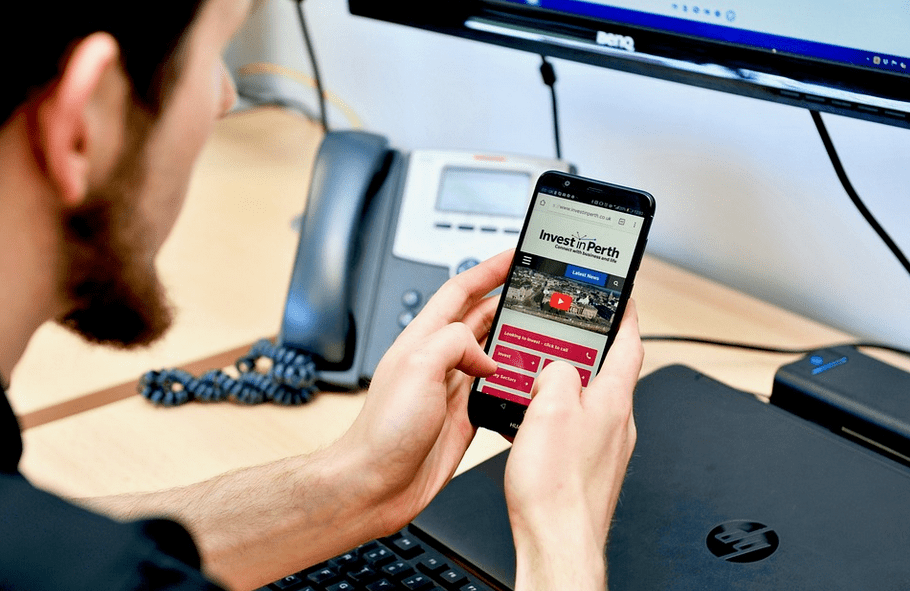
accessThe first pillar of a mobile-optimized website is user-friendliness. Your website should be easy to navigate, with clear menus, buttons, and links easily accessible from any device. This means using features such as dropdown menus or hamburger menus on the navigation bar to make it easier for users to find what they’re looking for. Additionally, you should ensure that your website is responsive and works properly on any device – be it a phone, tablet, or desktop.

Page Loading Speed

A key component of user-friendliness is page loading speed. If your website takes too long to load, users will likely get frustrated and abandon the site altogether. To ensure your website loads quickly on mobile devices, you should compress images and reduce their sizes as much as possible. Additionally, use a content delivery network (CDN) to reduce latency in loading times for users around the world.

Security and Privacy

securityPerfect user-friendliness and a fast page load rate are essential. So are security and privacy. As mobile usage grows, so does the risk of cyber attacks such as data theft or malicious software downloads. To prevent this, you should ensure that your website is secure with the latest encryption technology. Additionally, it’s a must to provide users with a way to control their personal information – be it through a privacy policy or other means.
Functionality and Performance

functionThe last pillar of mobile-optimized websites is functionality and performance. Your website should perform consistently on any device, with no lags or crashes that could disrupt the user experience. Additionally, features such as touch screens should be taken into consideration when designing a website for mobile devices. And finally, make sure to test your website on different devices and browsers before launching it to the public.

By considering user-friendliness, page loading speed, security, privacy, functionality, and performance – you can ensure that your website is optimized for all mobile users. With a few tweaks here and there, you can make sure that your website is the best it can be for those on the go. So are you ready to get started? Let’s go.